

Restorative Dentistry Explained
Restorative dentistry supports long-term oral health for patients by repairing damaged or missing teeth and restoring comfortable function.
Treatment ranges from small repairs to full-arch solutions, depending on the health of each tooth and the gums and bone around it.
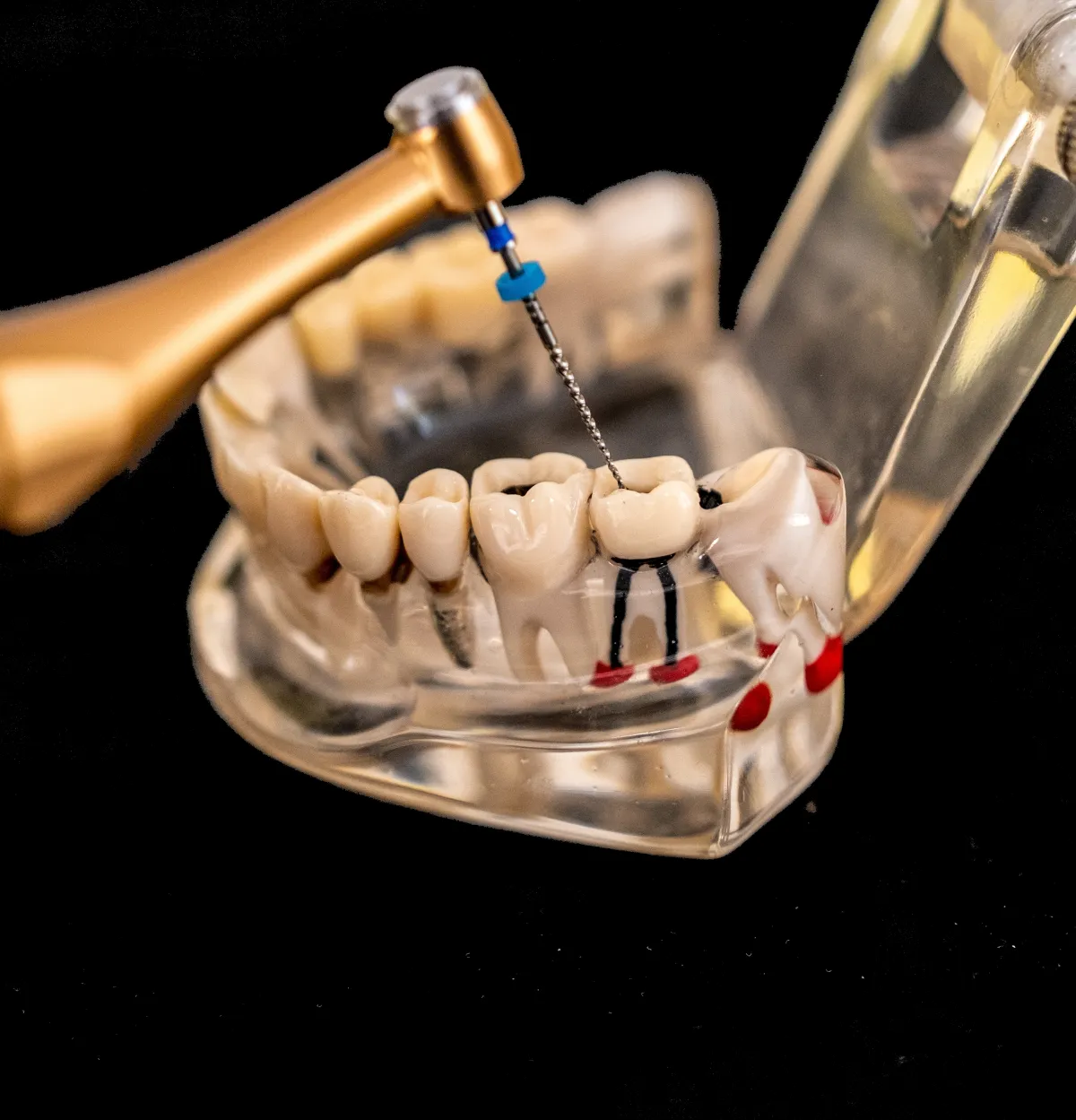
What We Offer
Common services include tooth-colored fillings, inlays and onlays, dental crowns, root canal therapy, dental bridges, implants, and partial or full dentures.
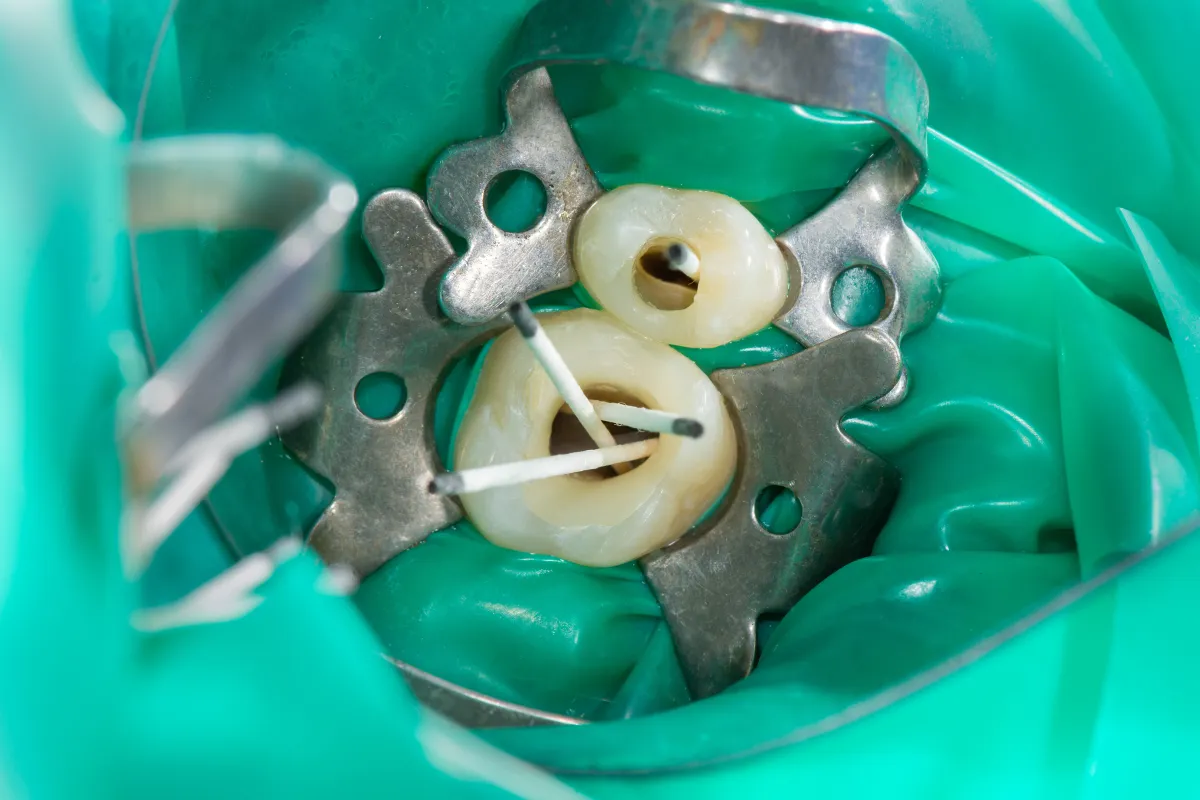
Benefits of Restorative Dentistry
Pain Relief
Relieves discomfort from decay, cracks, or infection.
Restored Chewing
Eat a balanced diet with full biting and chewing ability.
Prevents Further Damage
Sealing and strengthening teeth stops problems from worsening.
Bone & Face Support
Maintains face shape and bone health after tooth loss.
Speech Clarity
Corrects gaps or loose teeth that affect speaking.
Long-Term Stability
Supports easier daily hygiene and lasting oral health.
How Restorative Dentistry Works
Treatment is planned to address your goals, the condition of each tooth, and the health of the gums and bone. Steps often include:
- Assessment and diagnosis with a clinical exam, X-rays, and sometimes 3D imaging.
- Discussion of options, including benefits, risks, costs, and timelines.
- Tooth preparation to remove decay or old materials while preserving healthy structure.
- Impressions or digital scans for precise fit of crowns, bridges, inlays, or dentures.
- Fabrication in a dental lab or with in-office CAD/CAM technology when appropriate.
- Placement, bite adjustments, and polishing for comfort and function.
- Follow-up to monitor healing and fine-tune care as needed.
The right plan is individualized. For a single cavity, a composite filling may be enough. A cracked or heavily restored tooth may need an onlay or crown. For a missing tooth, choices include a dental implant, a bridge, or a removable partial denture. A full-mouth plan may combine several of these options.
Your Restorative Dentistry Experience
Local anesthesia is used to keep you comfortable. Many visits are shorter than patients expect. A small filling often takes 30 to 60 minutes. A crown typically involves two visits a few weeks apart, though some cases can be completed the same day with digital workflows. Root canal therapy is usually completed in one visit and often takes 60 to 90 minutes. Implants require several stages—placement, healing, and restoration—spanning a few months to allow the bone to integrate with the implant.
After treatment, it is common to have mild sensitivity or soreness for a few days. Simple steps help recovery:
- Follow any chewing and hygiene instructions, and choose a soft diet if advised.
- Brush and floss gently around treated areas, adding an interdental brush if recommended.
- Use over-the-counter pain relief as directed and a cold compress for short periods if needed.
- Call the office if pain worsens, a temporary restoration loosens, or your bite feels uneven.
Good home care—twice-daily brushing with fluoride toothpaste, daily flossing, and regular professional cleanings—protects new restorations and surrounding teeth. Wearing a nightguard can safeguard crowns or fillings if you clench or grind.
For patient-friendly restorative dentistry in San Diego, CA, contact Sunshine Dentistry at 619-282-1007 to schedule a visit with our dentist, Dr. Kambiz Ardjmand.
Frequently Asked Questions About Restorative Dentistry Services
Restorative dentistry repairs disease or damage to regain health and function. Cosmetic dentistry focuses on enhancing appearance. Many treatments, like crowns or implants, can accomplish both.
A crown is a custom cap that covers a prepared tooth to restore strength, shape, and bite. It protects weakened structure after large decay, fractures, or root canal therapy.
An implant replaces a single tooth without involving neighbors and helps preserve bone. A bridge can be faster when adjacent teeth also need crowns. The best option depends on bone health, nearby teeth, and your goals.
Yes. Composite fillings bond to tooth structure and work well for small to moderate cavities. Longevity depends on size, location, bite forces, and daily hygiene.
With anesthesia, most patients feel pressure but not pain. Discomfort afterward is usually mild and improves within a few days. Normal brushing and flossing should continue.
With routine care, crowns and bridges often last 10 to 15 years or more. Implants can last decades. Regular checkups and cleanings are important for long-term success.
A phased plan may include fillings, crowns, implants, or dentures to rebuild your bite. This is sometimes called full-mouth reconstruction and is tailored to your priorities and budget.
Brush twice daily, floss once daily, use fluoride, and keep professional cleanings. Avoid chewing hard items like ice and wear a nightguard if you grind.
Ready to Restore Your Smile?
For patient-friendly restorative dentistry in San Diego, CA, contact Sunshine Dentistry at 619-282-1007 to schedule a visit with our dentist, Dr. Kambiz Ardjmand.